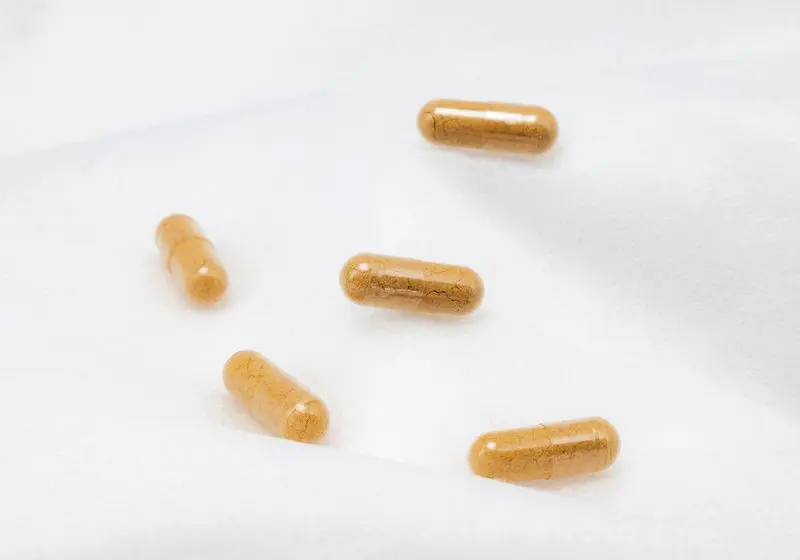
Capsules
Simple to take, often in vegan shells, and packed in foil blisters or desiccant-lined bottles.
About capsules
Independent probiotic guides
Probiotic Supplements UK is an independent, brand-neutral guide for anyone comparing probiotic supplements in the UK. We explain how to choose a probiotic by its strains, CFU count, format and label, so you know what you are paying for.


Clear, independent information on probiotics, withnothing to sell you
Buying guidesProbiotic types comparedBased in Newcastle upon Tyne
A widely used definition describes probiotics as live microorganisms that, when taken in adequate amounts, can benefit the person taking them. In Great Britain, probiotic supplements are sold as food supplements, and no health claims are currently authorised for the cultures they contain.
Most products use lactobacilli, bifidobacteria, the yeast Saccharomyces boulardii or spore-forming Bacillus species. Research on one strain does not automatically apply to another strain of the same species, so the full strain name on a label tells you more than a familiar species name. Our guide to probiotic strains shows how to read them.
Each type handles live cultures differently, so the format affects which strains are used and how the product is packed.
Simple to take, often in vegan shells, and packed in foil blisters or desiccant-lined bottles.
About capsules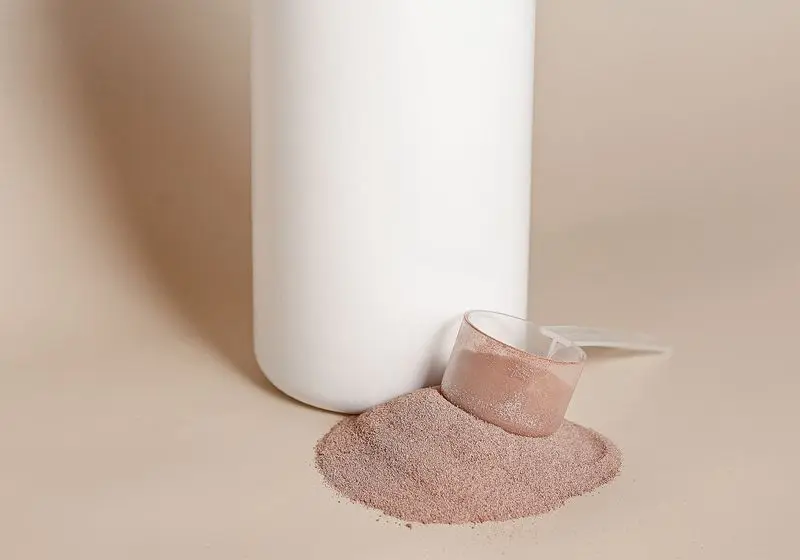
Stirred into a cold drink or food, and often combined with prebiotic fibres such as inulin.
About powders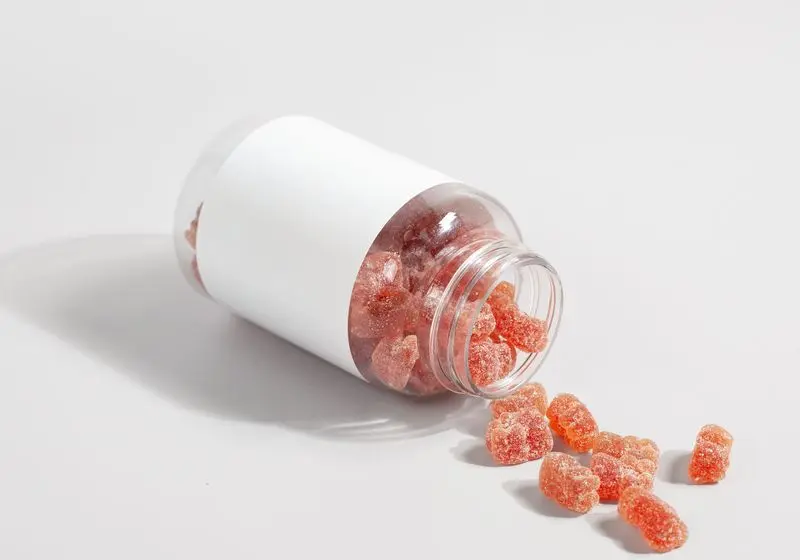
Usually made with spore-forming Bacillus strains, which tolerate the heat of gummy making.
About gummies
Cultures held in oil and measured with a dropper, for anyone who would rather not swallow a capsule.
About dropsChewable tablets are another option, covered in the chewables section of our types guide. Some products also pair the cultures with prebiotic fibres, and these synbiotic combinations are explained in our strains guide.
Start with the guide that matches the question you have.
A step-by-step way to compare strains, CFU, format, dietary suitability and cost per serving.
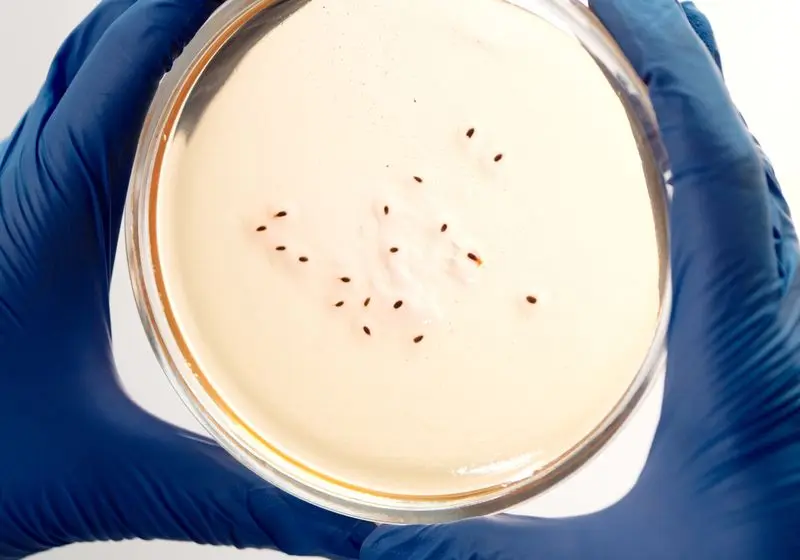
What colony forming units measure, and why the date a count applies to matters more than its size.

The strain names, counts, warnings and claims on a UK pack, and what each one tells you.

Why heat, moisture and air reduce live cultures, and how to look after a supplement once it is open.
Quality
Live cultures decline with heat, moisture and oxygen, so a probiotic that meets its count on the day it is made can fall short later. The signs of a carefully made product are on the pack itself, from fully named strains to a CFU count stated until the best-before date.
Packaging matters too. Foil blisters, sachets and desiccant-lined bottles all help keep moisture out, and our guide to probiotic storage and shelf life explains what each storage instruction means at home.
The same checks work on any product. Our full guide on how to choose a probiotic supplement covers each step in more depth.
Look for the genus, species and strain code of each culture. A product that names its strains in full tells you more than one that lists species only.
Check whether the count applies until the best-before date or only at manufacture. A higher number is not automatically better.
Capsules, powders, gummies and drops suit different routines, and some protect their cultures better than others.
Look at the capsule shell or gummy base, the allergens in bold and any added fibres such as inulin, which some people find cause wind.
Note whether the product needs refrigerating after opening. If you are pregnant, take medication or are buying for a child, speak to a pharmacist or GP first.
We do not sell, make or rank probiotics, so our guides explain how to compare products rather than steering you towards one.
We explain strains, CFU and labelling in everyday language, and we say clearly where research on one strain does not carry over to another.
Our guides follow the GB rules for food supplements, including what must appear on a label and why probiotic packs carry no authorised health claims.
If a label or term confuses you, ask us a question. We reply by email with general information, though we cannot give personal medical advice.
FAQs
We do not recommend brands or products, because the right choice depends on the strains, format and dietary needs that matter to you. Our buying guides set out what to compare, and a pharmacist can help if you have a health condition.
Not automatically. What matters more is whether the label states the count until the best-before date or only at manufacture, and which strains supply it.
Probiotics are generally considered safe for healthy adults, and some people notice mild wind or bloating at first. If you are pregnant or breastfeeding, have a weakened immune system or a serious illness, take medication or are buying for a child, speak to a pharmacist or GP first.
No. We are an independent information site, and we do not sell, manufacture or review supplements. Our guides are free to read, and you can send us a question by email.

Start with our buying guides or send us a question. We reply by email with plain-English, brand-neutral information.